Author

As a medical professional, I often observe concerns from patients about the ingredients that are listed on medicine labels. One such ingredient is maltodextrin that frequently used. Many people link it only with food products, yet in clinical practice and pharmaceutical formulations, maltodextrin plays a vital and well-established role.
What Is Maltodextrin? – A Clinical Explanation
It is a carbohydrate derived from starch. Its common sources are corn, rice, potato, or wheat. In medicine, it is classified as a pharmaceutical excipient, which means it act as an inactive substance added to medications to support their stability, delivery, and effectiveness.
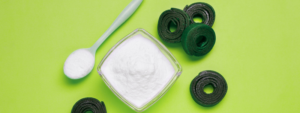
It is a white, odorless, water-soluble powder .Its taste is neutral , which makes it highly suitable for pharmaceutical use.
Why Is Maltodextrin Used in Medicines?
From medical point of view , it is not added randomly. It serves several essential purposes in drug formulations.
1. Role in Tablets and Capsules
- Acts as a filler and binder
- Ensures uniform drug dosage
- Improves tablet strength and stability
- Makes medicines easier to swallow
Without excipients like maltodextrin, many tablets would be fragile, inconsistent, or difficult for patients to take or digest.
2. Use in Liquid and Pediatric Medicines
Maltodextrin is widely used in:
- Syrups
- Oral suspensions
- Pediatric formulations
Adding will improves texture, enhances taste, and helps maintain uniform distribution of the active drug, which is especially important for children and elderly patients. Because children don’t like its taste .
Maltodextrin in Medical Nutrition
In medical practice, maltodextrin is basically used in clinical nutrition and therapeutic diets, particularly for patients who seeks for quick and easily digestible energy.
It is commonly prescribed for:
- Post-surgery recovery
- Chronic illness and malnutrition
- Elderly patients with poor appetite
- Medical nutrition supplements
Because maltodextrin is absorbed rapidly, it provides immediate energy without disturbing the digestive system.
Is Maltodextrin Safe? – A Doctor’s View
From a medical point of view ,When talked it is considered safe and well-tolerated when used in a suitable way .
Regulatory Approval
- Approved by the FDA (GRAS status)
- Accepted by WHO and FAO
- Listed in major pharmacopoeias (USP, BP, EP)
Pharmaceutical-grade maltodextrin undergoes strict quality control, ensuring purity and safety.
Concerns for Diabetic Patients
One of the most common questions I receive is from diabetic patients .
- Has Maltodextrin having high glycemic index?
- Can Large dietary amounts raise blood glucose levels?
However, it is important to clarify that:
Maltodextrin is used in small quantity in medications and usually does not cause a clinically significant rise in blood sugar Or other perspectives .
But Diabetic patients should be cautious if taking dietary supplements, not prescribed medications, unless advised by their doctor.
Effects on Digestion
In clinical experience:
- it is generally easy to digest
- Most patients tolerate it well
- in sensitive individuals it may cause bloating or gas if intake excessive amount
But Such effects are rare when used through medicines rather than food supplements.
Allergy and Gluten Considerations
Although it may extracted from wheat:
- Pharmaceutical-grade it as typically gluten-free
- Allergic reactions are extremely rare
Patients with severe allergies should still review product labels or must consult their healthcare providers.
Does Maltodextrin Cause Weight Gain?
From a medical standpoint:
- No it does not directly cause weight gain
- Excessive caloric intake from supplements may contribute to weight increase
- Medication-level exposure is negligible
Balanced nutrition and lifestyle remain far more important factors.
Advantages in Pharmaceutical Practice
As a doctor, I consider maltodextrin valuable because it:
- Enhances patient compliance
- Improves drug stability
- Supports accurate dosing
- Is cost-effective and widely available
These benefits ultimately improve treatment outcomes.
Future Medical Applications
Ongoing pharmaceutical research is exploring it in:
- Drug delivery systems
- Microencapsulation of medicines
- Improved bioavailability of poorly soluble drugs
Its adaptability ensures continued relevance in modern medicine.
Conclusion
From a clinical and pharmaceutical perspective, it is a safe, reliable, and medically valuable excipient but must be used accordingly. Basically it is not a drug but plays a crucial supporting role in ensuring that medicines are effective, stable, and patient-friendly.
But the important thing is that Patients should focus on the prescribed treatment rather than fear inactive ingredients that are scientifically tested and medically approved.