Author

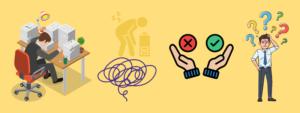
Decision fatigue is considered as a psychological and neurological condition in which the human brain becomes mentally exhausted after making too many decisions over time and thinks a lot . In this modern life, we think and make hundreds of decisions daily — from very small daily routine decisions like what to wear or eat, to complex work and life decisions. Although each choice may seem very small, but the brain uses real cognitive energy to make every decision. Over time, this continuous mental effort drains out neural resources by reducing clarity, focus, and self-control .
We must know that Decision fatigue is not laziness — it is mental energy depletion. When the brain becomes overloaded with different thinking activities, decision quality drops, productivity declines, and stress increases. For long-term cognitive health and performance it is essential to Understand how decision fatigue works and how to manage .
What is Decision Fatigue? (Clinical Explanation)
Decision fatigue basically refers to the condition that defines ,after making prolonged decision-making activities ,the quality of decisions decline. The brain region primarily responsible for decision-making is the prefrontal cortex, which controls reasoning, planning, impulse regulation, and judgment. This area consumes a large amount of neural energy, including glucose and neurotransmitters.
As decisions accumulate, the brain’s ability to evaluate options weakens. This results in:
- Impulsive decisions
- Avoidance or procrastination
- Mental exhaustion
- Reduced self-control
According to the Behavioral psychology decision fatigue act as a real cognitive limitation that affects performance and well-being.
Brain Science Behind Decision Fatigue
Decision fatigue is strongly linked to cognitive load and neural energy depletion. When the brain works continuously without recovery, several changes occur:
| BRAIN FUNCTION | EFFECT DURING DECISION FATIGUE |
| Per frontal Cortex | Reduced Reasoning and focus |
| Dopamine system | Lower motivation and drive |
| Cortisol (Stress Hormone) | Increased mental pressure |
| Self Control Network | Weak impulse control |
Under fatigue, the brain shifts into energy-saving mode. Rather than choosing optimal ones it choose easy or familiar options . This explains why tired individuals often delay decisions, make poor choices, or avoid decisions entirely.
Common Causes of Decision Fatigue
Mentioned below are some common causes of decision fatigue.
1. Excessive Daily Choices
Modern lifestyles demand constant decisions — emails, messages, tasks, schedules, and digital interactions — which gradually drain mental energy.
2. Information Overload
Continuous exposure to digital content, multitasking, and notifications overwhelms the brain, increasing cognitive fatigue.
3. Sleep Deprivation
Sleep restores neurotransmitters and mental clarity. Lack of sleep significantly worsens decision-making ability.
4. Emotional Stress
Anxiety and stress consume cognitive resources, accelerating mental exhaustion.
5. High-Responsibility Roles
Students, healthcare workers, managers, and entrepreneurs make frequent important decisions, making them more vulnerable to decision fatigue.
Symptoms of Decision Fatigue
- Difficulty making simple choices
- Procrastination and decision avoidance
- Mental tiredness despite physical rest
- Poor judgment and impulsive decisions
- Reduced productivity and focus
- Irritability and emotional imbalance
If persistent, decision fatigue may contribute to burnout, chronic stress, and mental exhaustion.
Impact on Mental Health and Productivity
Scientific studies in behavioral science shows decision fatigue affects both cognitive performance and emotional health too:
- Reduced Productivity: Lower focus and slower thinking
- Increased Stress: Mental overload increases cortisol
- Poor Lifestyle Decisions: Unhealthy eating, skipped exercise, poor routine
- Weakened Discipline: Reduced self-control and motivation
Over time, undisciplined decision fatigue can negatively impact on both personal and professional life.
Real-Life Examples of Decision Fatigue
- It feels overwhelming when A student delays studying because choosing where to start .
- After taking a lot of decisions in a day ,A professional avoids important tasks .
- When getting tired mentally ,People make unhealthy food choices .
- Leaders struggle with judgment after prolonged cognitive work
These are common signs of cognitive overload rather than lack of ability.

Science-Based Strategies to Overcome Decision Fatigue
1. Reduce Daily Decisions
Simplify routine choices such as meals, clothing, and schedules. Fewer small decisions preserve mental energy for important ones.
2. Make Important Decisions Early
The brain performs best when it is fresh. Make complex decisions during morning cognitive peak.
3. Build Automatic Habits
Habits reduce cognitive load by minimizing repeated thinking.
4. Improve Sleep Quality
7–9 hours of sleep restores brain chemistry and improves clarity.
5. Limit Information Overload
Reduce unnecessary screen exposure, multitasking, and digital distractions.
6. Practice Mindfulness and Mental Reset
Meditation and deep breathing improve prefrontal cortex efficiency and reduce stress.
7. Take Structured Breaks
Short breaks restore attention and prevent cognitive overload.
Nutrition for Brain Energy and Decision Power
The brain requires stable energy to perform well. Best Nutritional support can reduce mental fatigue:
- Omega-3 fatty acids support brain cells
- Magnesium helps regulate stress response
- Vitamin B-Complex supports neurotransmitters
- Antioxidants reduce oxidative stress
- Proper hydration maintains cognitive function
Balanced nutrition helps maintain stable neural energy for decision-making.
Who is Most Affected?
- Students under academic pressure
- Healthcare and medical professionals
- Entrepreneurs and managers
- Individuals under chronic stress
- People with heavy decision-based work
Recognizing vulnerability helps prevent mental exhaustion early.
Long-Term Prevention
- Automate daily routines
- Maintain regular sleep schedule
- Manage stress actively
- Take mental recovery breaks
- Stay physically active
- Control digital consumption
These habits preserve mental energy and improve long-term cognitive performance.
Conclusion
Decision fatigue is a hidden cognitive burden caused by making excessive daily decisions and mental overload. It gradually weakens clarity, productivity, and emotional balance. By simplifying routines, improving sleep, managing stress, and supporting brain health through proper nutrition, decision fatigue can be effectively reduced. Protecting mental energy is essential for long-term cognitive performance and overall well-being.