Author

Rice is a delicious and most favorite food for billions of people around the world , It is especially well known in Asia. For many households, If there is no rice item in meal they consider it incomplete . However, in recent years, concerns about arsenic in rice have raised important questions. Is rice still healthier food or not? And more specifically, the debate is on Brown Vs White Rice ,is brown rice healthier than white rice when it comes to arsenic content?
What Is Arsenic?
Arsenic is basically described as naturally occurring toxic element present in soil, water, and air. Plants absorb arsenic from the environment, and rice is particularly at risk because it is grown in water filled fields. This condition of growing in water filled fields allows rice plants to absorb more arsenic than most other grains .
There are two main forms:
- Organic arsenic(less harmful and healthy )
- Inorganic arsenic(highly toxic and linked to health risks)
Rice mainly contains inorganic arsenic, which is the considered as unhealthy .
What is Brown Rice?
Brown rice is a whole grain, meaning it contains all parts of the grain inside it:
- Bran
- Germ
- Endosperm
Because these layers are complete as grain ,just because of this brown rice is often praised as the healthier choice.
Nutritional Benefits of Brown Rice
- Contain high dietary fiber
- Rich in magnesium and phosphorus
- Contains vitamins B
- Supports gut health
- Helps normalize blood sugar levels
These benefits make brown rice popular among health-conscious individuals.

What Is White Rice?
When discussion is Brown Vs White Rice .The White rice don’t contain all the layers as bran and germ layers are removed , it contain only the starchy endosperm.
Characteristics of White Rice
- Lower in fiber
- Easier to digest
- Shorter cooking time
- Longer shelf life
- Lower micronutrient content
However, going through the milling process it also removes a significant portion of arsenic.
Arsenic Levels: Brown vs White Rice
This is where the real difference lies between White and Brown rice .
Why Does Brown Rice Contain More Arsenic?
Arsenic is stored primarily in the outer bran layer of the rice grain. Since brown rice retains this layer, it naturally contains higher arsenic levels.
Why Is White Rice Lower in Arsenic?
As white rice just contain endosperm layer others are removed during processing, much of the arsenic is removed as well.
How Big Is the Difference?
Research shows that brown rice contains approximately 20–80% more inorganic arsenic than white rice, depending on its variety and in which field it is grown.
Is Brown Rice Dangerous?
Brown rice is not dangerous when eaten in good or balanced quantity. The concern arises when it is consumed frequently and in large quantities, especially by unprotected groups.
Who Should Be More Careful?
- Infants and young children
- Pregnant women
- Elderly individuals
- People who eat rice daily or follow gluten-free diets
For these groups, taking too much may increase the risk of developmental issues and chronic diseases.
Nutrition vs Safety: Finding the Balance
| Aspect | Brown Rice | White Rice |
| Fiber | High | Low |
| Micronutrients | High | Lower |
| Arsenic Level | Higher | Lower |
| Digestibility | Slower | Easier |
| Daily Consumption | Best in moderation | Safer for frequent use |
Health is not just about nutrients—it is also about long-term safety.
How to Reduce Arsenic in Rice
The good news is that While cooking you can significantly reduce arsenic levels:
1. Rinse Thoroughly
Wash rice several times with clean water until the water runs clear.
2. Use the Pasta Method
Cook rice in 6–10 cups of water per 1 cup of rice, then drain the excess water. This method can reduce arsenic by 30–60%.
3. Vary Your Grains
Avoid relying solely on rice. Include:
- Quinoa
- Oats
- Barley
- Millet
- Bulgur
4. Limit Rice-Based Snacks
Rice cakes, rice cereal, and rice milk can contribute to higher arsenic exposure, especially in children. So just try to limit their use .
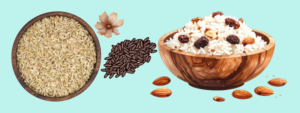
Which Rice Should You Choose?
When it is Brown Vs White Rice then :
Choose Brown Rice If:
- You eat rice not on regular basis
- You want higher fiber and nutrients
- You use arsenic-reducing cooking methods
Choose White Rice If:
- Taking rice on daily basis
- You are feeding children or pregnant women
- You have a sensitive digestive system
The smartest choice is balance. Rotate between brown rice, white rice, and other grains .When the discussion is Brown Vs White Rice.
Final Verdict Brown Vs White Rice:
Brown rice are good in nutrition, but it also contains higher levels of arsenic. White rice, while less nutritious, is generally safer for regular consumption due to its lower arsenic content.
True healthy eating lies in balanced diet , variety, and informed choices—not in labeling foods as entirely good or bad.