Authors


Night blindness—That is medically known as nyctalopia—A symptom in which a person feel difficulty seeing in the dark. For many people who suffer from this , it becomes a silent barrier to their journey towards independence, safety, and cause lack of confidence. Whether you feel difficulty driving at night time, fixing your eyes in dim rooms, or seeing clearly during dusk, night blindness can affect badly everyday life in surprising ways. Here is a bright, clear look at what it actually is, why it happens in life , and how you can protect your vision smoothly.
What Is Night Blindness?
Through study its been observed that Night blindness is not a disease itself—rather, it is a symptom of an underlying eye problem. People who suffer with nyctalopia cannot see well in dim light or darkness especially at night time . Their eyes struggle to adapt when lighting changes suddenly, such as happen with normal person when entering a dark room after being outside in sunlight.
The back thin layer of eye is called the retina, which works like a camera sensor or act as a detector .
This retina has two types of cells:
Cones — help you see in bright light.
Rods — help you see in dim light and at night.
In night blindness, the rods become weak, damaged, or underfed, so as soon as the light goes down…your vision collapses.
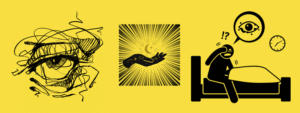
Common Causes Of Night Blindness:
1. Vitamin A Deficiency
If a person suffer from night blindness it means he is having lack of vitamin A ,It affects the retina’s ability to create visual pigments that help you see in dim light or at night time . This is among the most common preventable causes.
2. Retinitis Pigmentosa
This is basically a genetic condition in which the retina cells break down slowly, leading to tunnel vision and severe night vision problems occur .
3. Cataracts
If a person having Cloudy lenses then it can reduce the amount of light reaching the retina, making night-time visibility weaker.
4. Nearsightedness (Myopia)
People who suffer with uncorrected myopia often experience difficulty seeing in dim light environments.
5. Diabetes-Related Eye Changes
Diabetic patients retinopathy or poor blood sugar control can impair night vision.
Indications Of Night Blindness
- Struggling to drive at nighttime
- Feeling Difficulty in recognizing faces or objects in dim light
- Slow adjustment from light to dark environments
- Frequent tripping over objects in dim lighting
- Ignore night-time activities due to vision discomfort
Diagnosis: How Doctors Confirm It
An eye specialist may perform:
- Retina examination
- Vitamin A level test
- Visual acuity test
- Field of vision test
- Eye pressure measurement
These help identify the root cause so proper treatment can begin immediately.
Treatment & Management Options
- Taking Vitamin A Supplements
Person who suffer with deficiency-related blindness, must take supplementing vitamin A (under medical supervision) which often brings significant improvement.
- Corrective Lenses
Focus on Updating your glasses or contact prescription can reduce night-time blur for myopia-related issues.
- Cataract Surgery
A simple outpatient procedure can greatly improve night vision if cataracts are the cause.
- Managing Diabetes
If a diabetic patient focus on Controlling sugar levels, that will prevents further eye damage.
- Retinitis Pigmentosa Care
While not fully curable, early diagnosis, low-vision aids, and supplements recommended by specialists can slow progression.
Lifestyle Tips for Safer Night Vision
- Keep your car headlights and windshield clean
- Increase indoor lighting in dim areas
- Use anti-glare glasses when driving
- Give your eyes time to adjust when moving from bright to dark spaces
- Eat vision-friendly foods (carrots, eggs, spinach, sweet potatoes, fish)
Foods That Improve Night Vision (Vitamin A–Rich)
- Carrots
- Sweet potatoes
- Mango
- Spinach
- Eggs
- Milk
- Fish liver oil
Practical Tips for People With Night Blindness
- Keep a small pocket flashlight when going outside
- Avoid dim staircases or unlit paths
- Use yellow anti-glare glasses while driving
- Increase lighting in kitchens, corridors, and bathrooms
- Clean car headlights and windshields regularly
By following these steps you can save your life as a Small changes = big safety improvements.
Night blindness doesn’t have to keep you in the dark. By understanding its causes, taking necessary measurements , and following healthy eye habits and food , you can protect your vision from night blindness and improve your quality of life. If you feel nighttime unclear or unsafe, no need to ignore the signs—your eyes are at risk, might be asking for help, must consult your specialist ,as timely care can bring your world back into focus.